How To Set Up A Comfortable Camp Kitchen In A Wall Tent
Exactly how to Set Up Guy Lines in Rocky TerrainRocky surface is identified by high slopes, with bare bedrock or coarse debris (scree and talus) and slim or uneven dirt cover. Secret processes include structural uplift and faulting that raising resistant rock; glacial carving and plucking that strip regolith on high inclines; and long-term wear and tear, disintegration and mass losing that export fines.
1. Find a Stake
As we discovered partly One, guyline size (hence angle) changes exactly how the forces are birthed by risk and substratum. It is for that reason necessary that you match your risks to the substratums you anticipate to encounter.
Stakes need to be hard sufficient to pass through the dirt yet not too hard regarding over-drive or fall short. Many backpackers choose sand or snow stakes in these environments, however the rocky substratums of Australia's inland varies often have fibrous roots that even these stakes can't permeate.
If the substratum is extremely rough, take into consideration taking added stakes along with your typical set. Think about additionally utilizing staking strategies such as the changed deadman anchor or line extensions to help protect your tent against wind and snow. It's always much easier to remedy a betting issue prior to it comes to be a significant problem than in the middle of the evening after your camping tent breaks down. It is likewise worth experimenting your camping tent in your home before you head into the backcountry.
2. Link the Cable to the Risk
As we saw partially One, angling and burying a risk at the proper angle increases its holding power. It is likewise crucial to deploy a stake at the proper deepness-- if the dirt is also loosened, it will be easily pulled out by a marginal pressure.
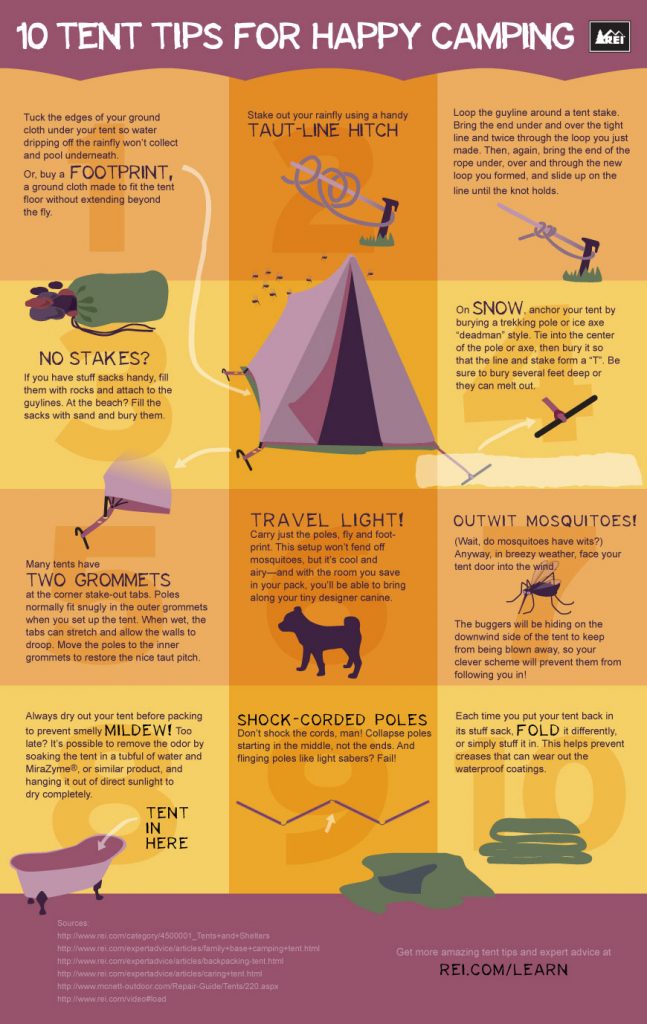
Changed deadman anchors (see this and this) are particularly useful on rough websites where it is impossible to bury a risk. These are more effective to tying your guyline directly to a risk, particularly boundary ones, where the rock can abrade the line and lead to failing.
Utilizing a loophole on the end of your line and fifty percent hitching it to the risk avoids abrasion, particularly in gusty conditions. An unexpected range of basic devices are readily available to make tensioning and adjusting guylines easier, though they add an ounce or more of weight. If you prepare to utilize them, check them in your outdoor tents before heading out into the wild.
3. Tie the Cord to the Tarpaulin
When you have actually located your stake and hammered it in, you currently require to tie the cord to the tarp. This can be done in a number of different ways. A minimalist technique is a trucker's hitch with a slipped overhand loop. Nevertheless, it needs a great deal of cord to be efficient and is impractical for lengthy guyline lengths (such as the ridgelines of an A-frame tarpaulin).
An option is the adjustable line drawback. This knot allows you to conveniently change the tension of your ridgelines and is very easy to tie. It additionally supplies some flexibility, permitting you to move the cotton bag line up or down based on conditions.
You can likewise use a coral reef knot or square knot for this function, yet they might come undone under hefty load or scrambling. These types of knots need to only be made use of in non-critical circumstances and with light lots. It is likewise a good idea to use brilliant colored person lines. This is a safety measure, particularly if you are camping in an area that obtains dark early and can be difficult to see.
4. Link the Tarp to the Risk
As we saw partially One, releasing stakes at the proper angle maximises their holding power. This is specifically crucial in loose substratums where the force of guyline pull is multiplied by the inverse of stake/substrate rubbing-- this can easily draw a stake out.
The McCarthy drawback requires a great deal of cord to run, and it is impractical for very long guyline sizes like ridgelines. For these situations, I advise using a trucker's drawback with a slipped overhand loop.